
PRODUCTIONOF A BAG.
Six stages. 12,000 m² of factory floor. Seven Starlinger machines operating in sequence. This is exactly how 100+ million polypropylene bags are made each year in Dushanbe.
BIRTH OF THE TAPE
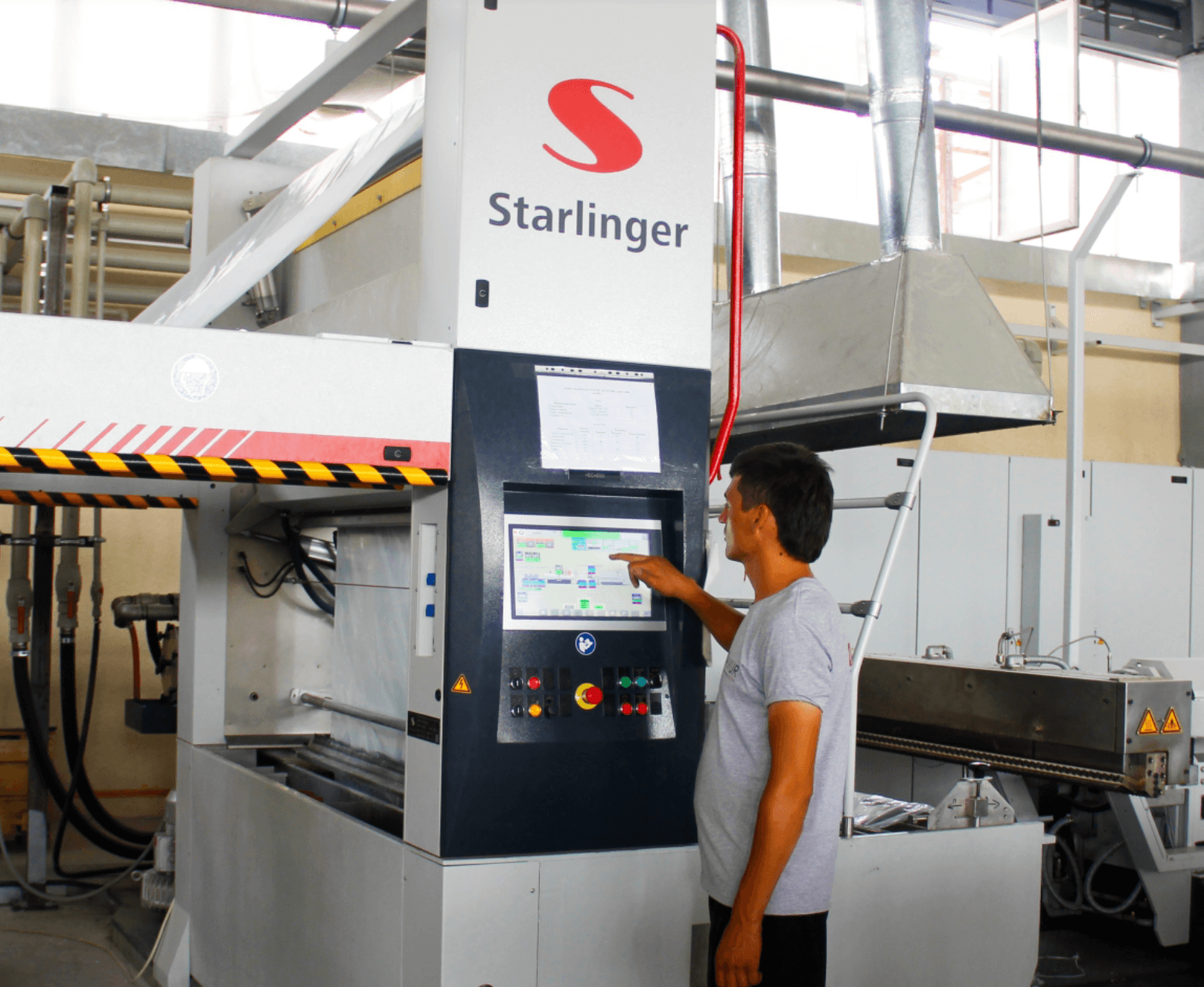
It starts as nothing more than a handful of white pellets. Polypropylene granulate is fed into the StarEX 1600S extruder, where temperatures reach 240 °C and intense screw pressure transforms solid polymer into a continuous molten stream. That stream is drawn through precision-ground dies into flat tapes — just fractions of a millimetre thick. UV stabilisers and masterbatch colorants are dosed in at this stage, silently locking durability and consistency into every metre of material, long before the bag takes any shape at all.
THE WEAVE BEGINS
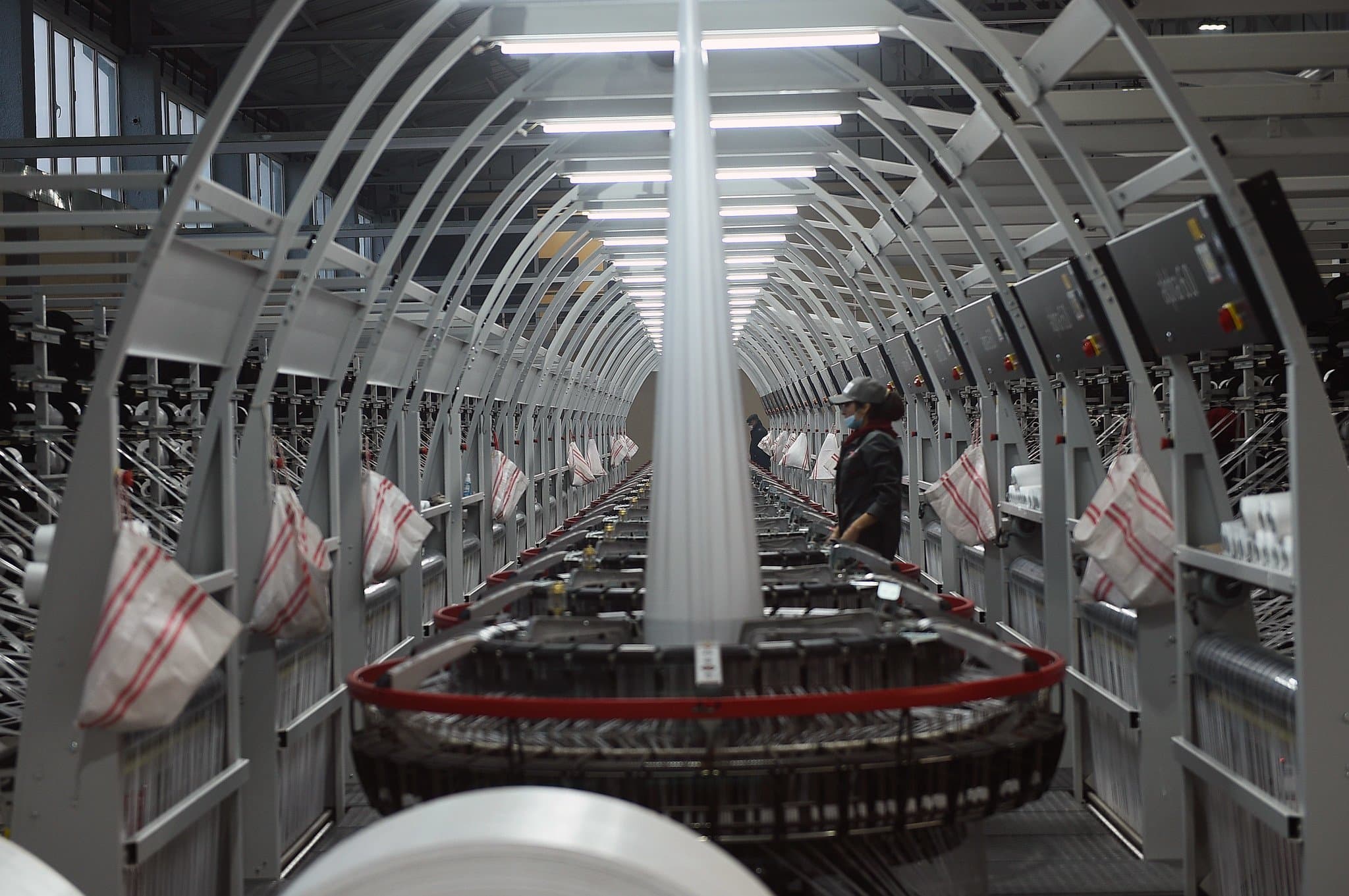
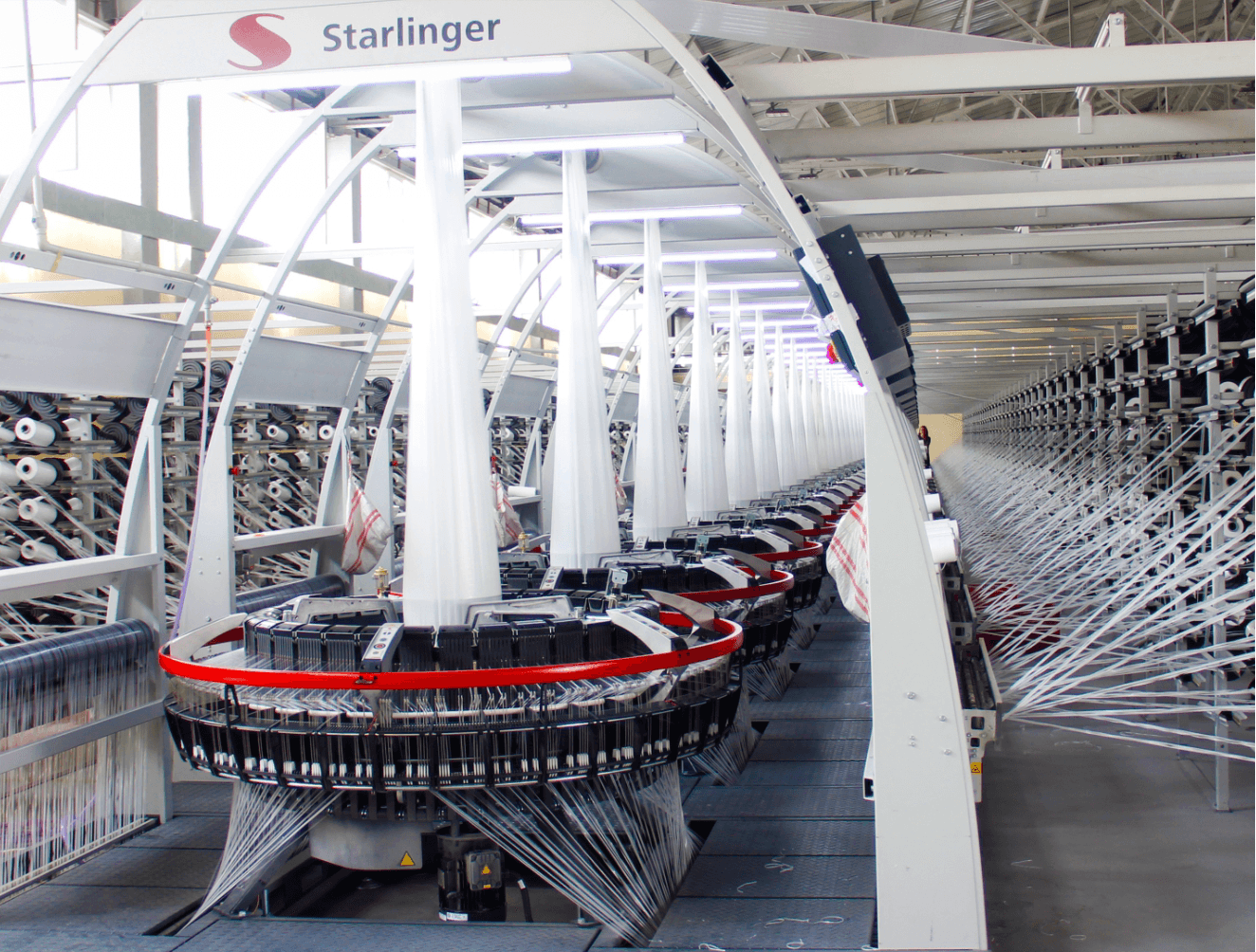
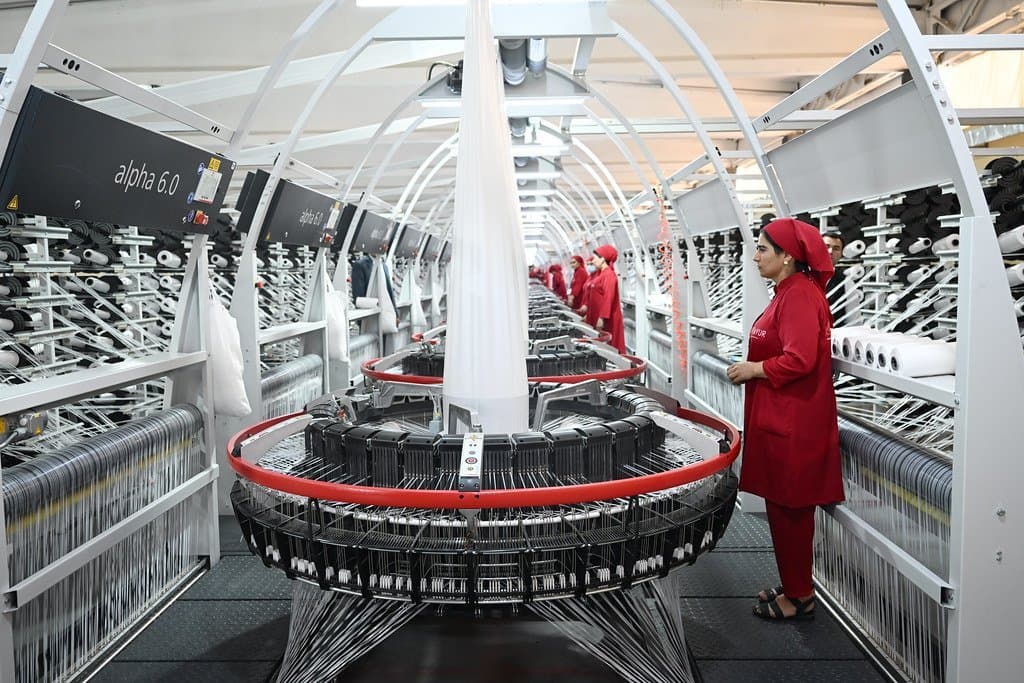
Hundreds of spools of extruded tape rotate around the circumference of the Alpha 6.0 circular loom in a precise, hypnotic rhythm. Warp and weft interlace at up to 800 revolutions per minute, producing a continuous tube of woven fabric. The weave density — measured in threads per centimetre — is the single most critical determinant of bag strength. Too loose and the bag tears under load. Too tight and it becomes rigid, prone to crease. Gayur Pack operators calibrate each of the six Alpha looms to the exact thread specification of every order.
SEALED FROM THE WORLD
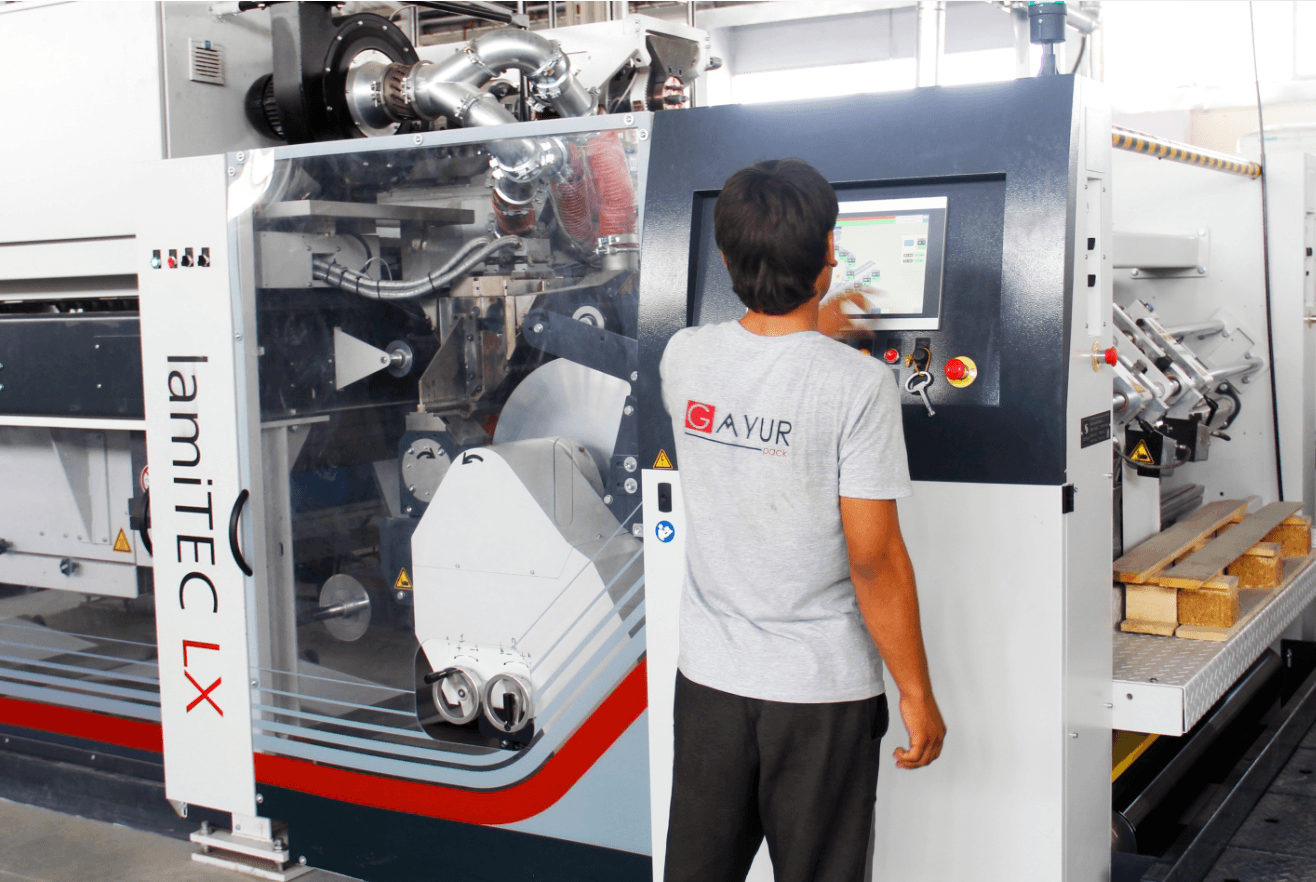
Raw woven fabric is functional but porous — fine for bulk grain, inadequate for cement or fine chemical powder. The LamiTEC LX changes that. A thin polypropylene or biaxially-oriented PP film is bonded to the fabric surface under controlled heat and pressure, creating a smooth, fully sealed outer layer. This is the moment the bag gains its printability and its resistance to moisture ingress. It is the step that separates a commodity sack from packaging engineered to protect sensitive goods through weeks of storage and international transit.
PRINTED WITH PURPOSE
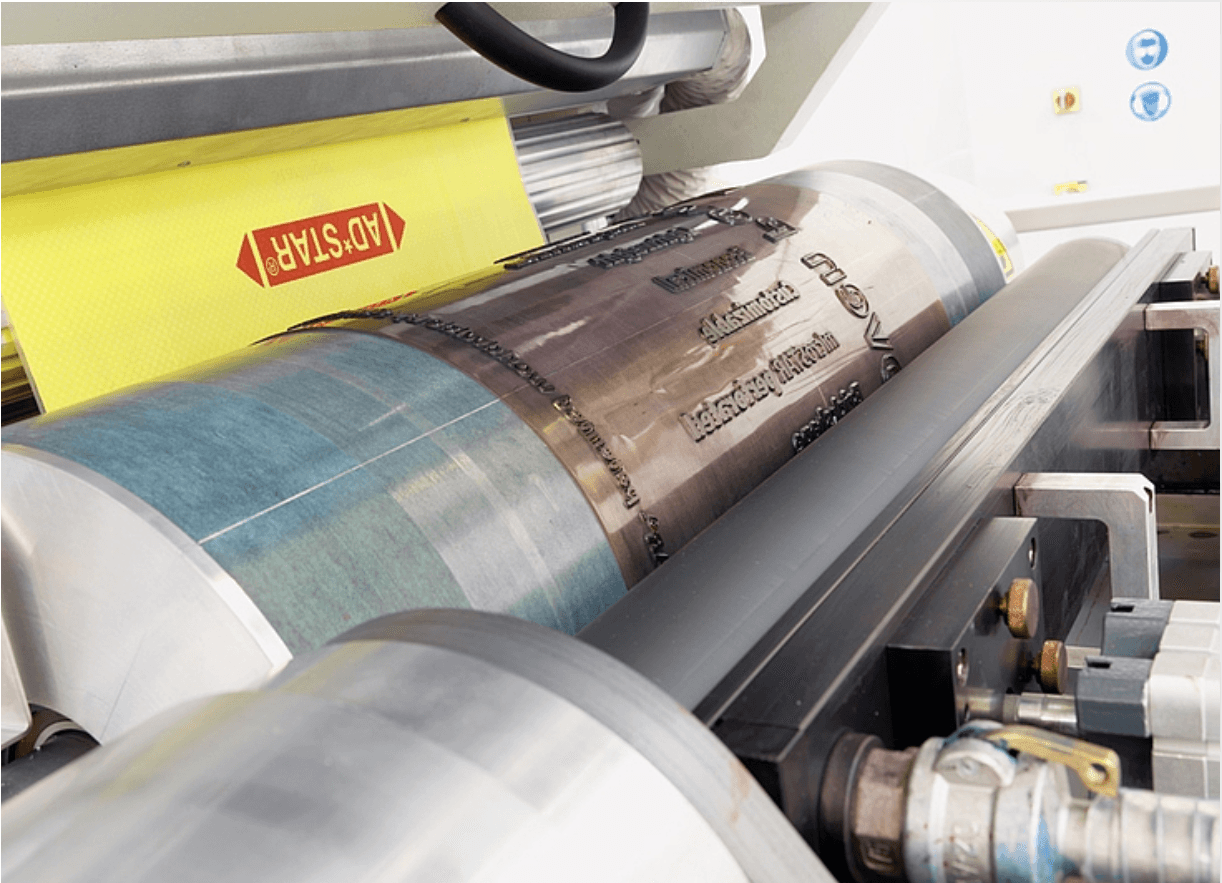
A bag without identity is just a container. The DynaFLEX DX6 changes that — six printing units apply colour after colour in precise registration, building up full graphic designs, brand identities, weight declarations, safety data sheets, and barcodes in a single inline pass. The flexographic process deposits ink directly onto the laminated surface at production speed without compromising the substrate. What emerges from the other end of the machine is fabric that tells a story before it has been filled even once.
FORM FOLLOWS FUNCTION
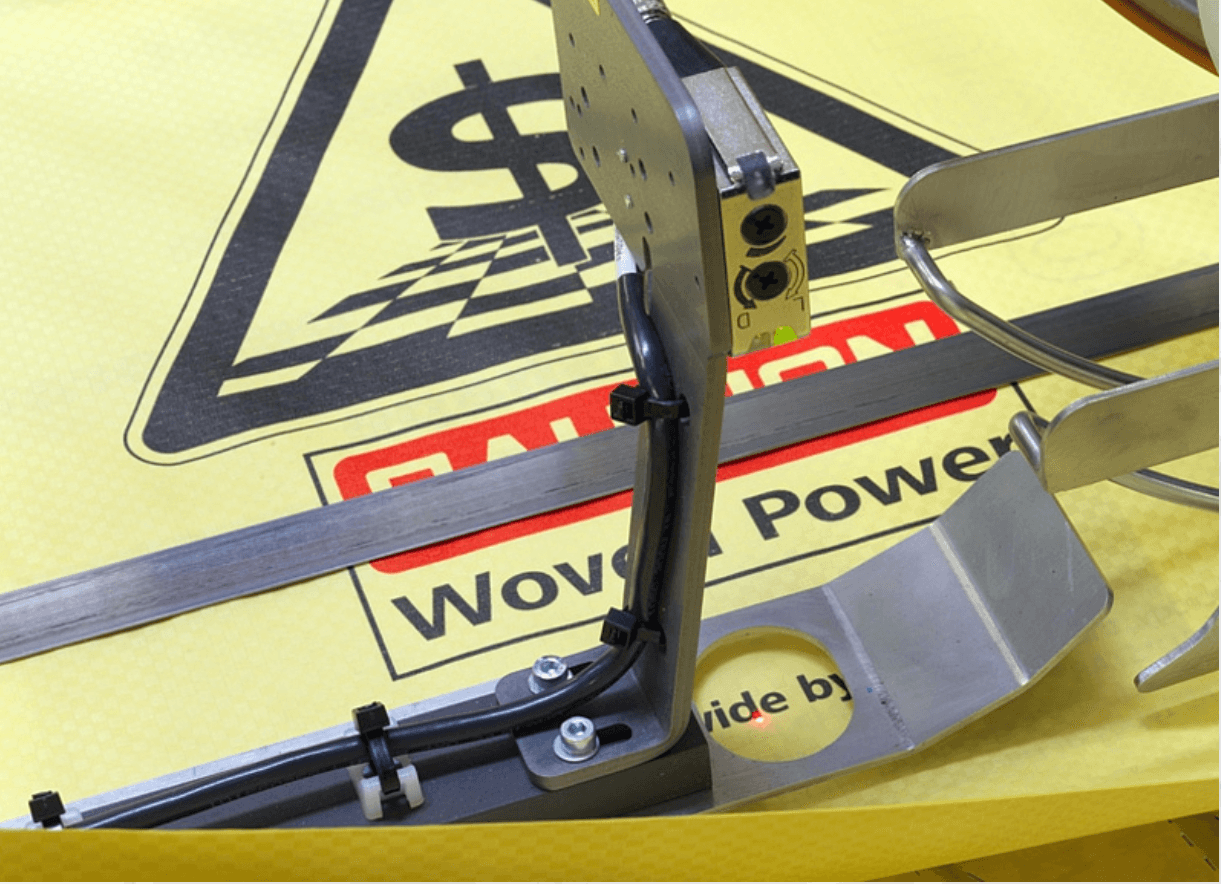
Until this point, everything has existed as a continuous roll — tape, fabric, laminate, print. Conversion is where individual identity begins. The SlitTEC 700 first cuts the printed tube to precise width, then the Ad*StarKON SX forms the bag itself: cutting to length, folding and heat-sealing the block bottom, and fitting the valve port that allows high-speed automated filling on the client's packing line. Each bag emerges identical in every measurable dimension — dimensional tolerance held to within a single millimetre across thousands of units per hour.
READY FOR THE WORLD
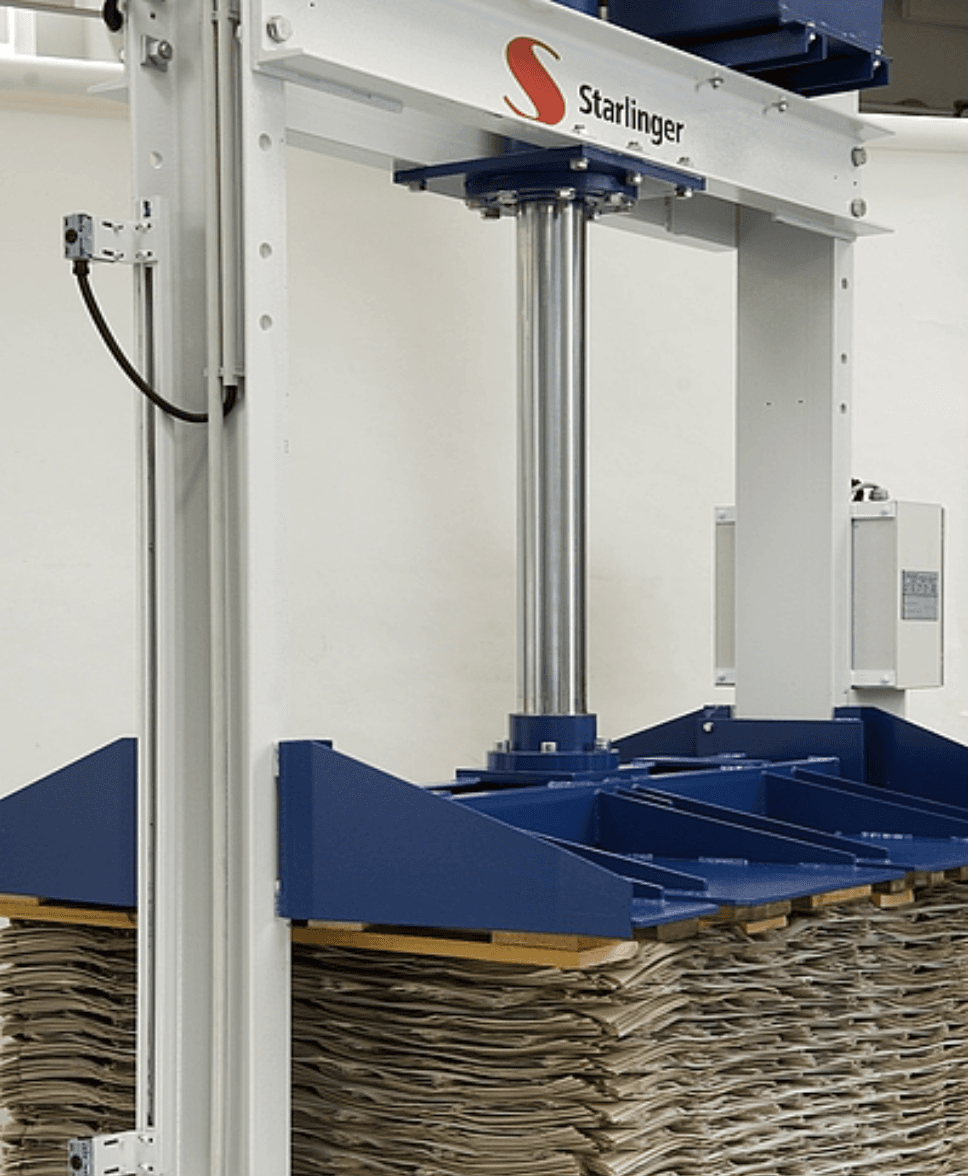
The final act is compression and containment. The BaleTEC 1200 hydraulic baling press stacks and compresses finished bags into dense, strapped bales — up to 1,200 units per bale depending on specification — that are far more efficient to palletise, store, and ship than loose stacks. Quality control is conducted at this final stage: each bale is counted, weighed, measured, and labelled against the order. The bags that leave Gayur Pack's loading dock are not simply products. They are the result of six precisely sequenced transformations, each one irreversible, each one building on the last.
STARLINGER.
SINCE THE 1970S.
For over five decades, Starlinger & Co. GmbH of Vienna, Austria has been the unquestioned global benchmark for polypropylene woven packaging machinery. Their integrated production lines — from extrusion through to baling — are engineered to operate as a single continuous system, not a collection of separate machines.
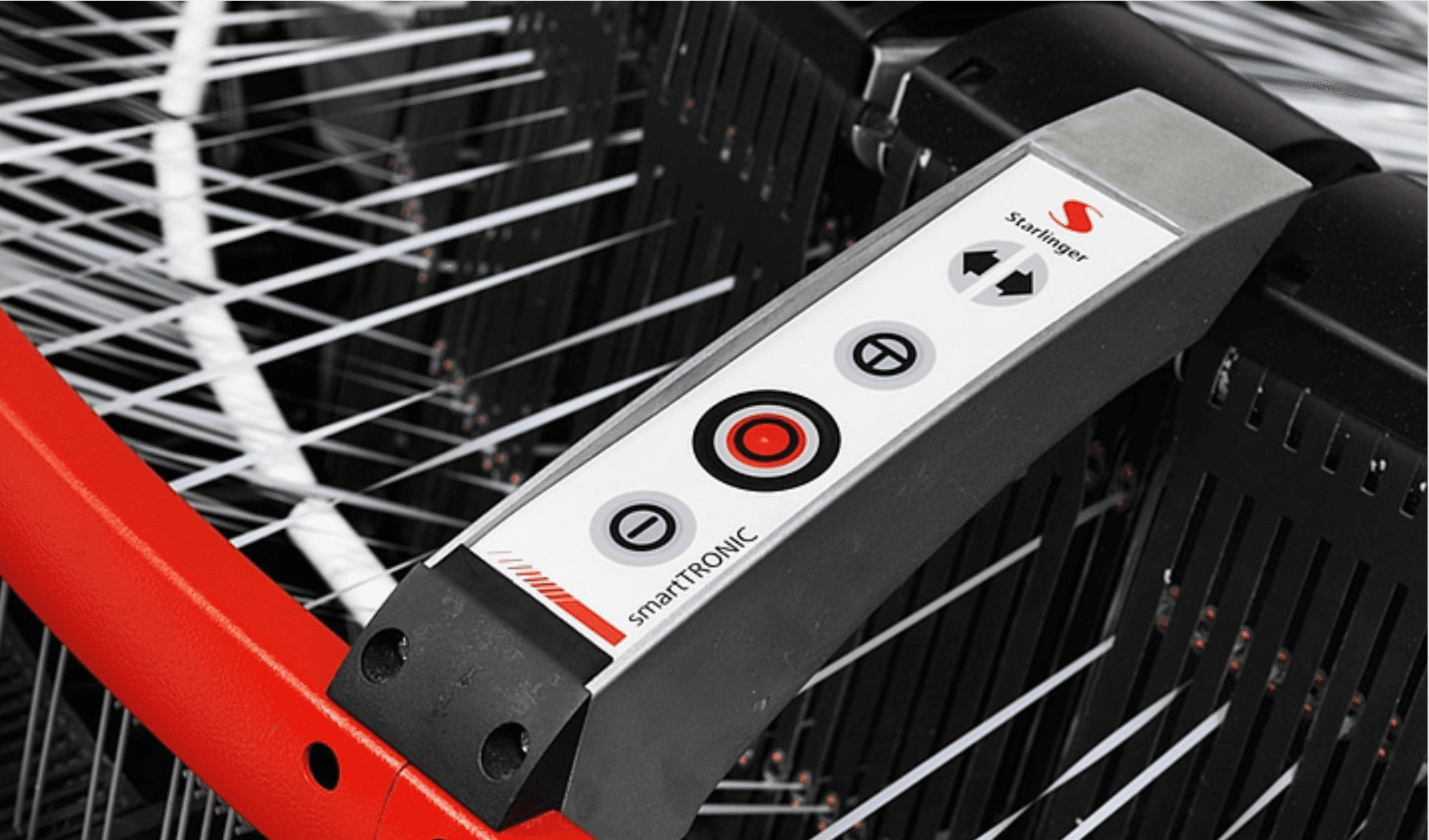
Gayur Pack operates a complete Starlinger suite: seven machines, one ecosystem. Every process parameter — speed, tension, temperature, registration — is monitored through the SmartTRONIC control interface. There are no weak links in this chain.
LET’S TALK
PACKAGING.
Minimum orders, custom specifications, delivery timelines — our sales team is ready to discuss your requirements directly.